KSMC

Author name: admin

Deal Strategy

Quality of Earnings in M&A

What This Means: Quality of Earnings (QoE) is a critical due diligence exercise that goes beyond the numbers in financial statements to assess the true, sustainable profitability of a business. Unlike a standard audit that verifies historical accuracy, a QoE analysis examines whether reported earnings reflect the ongoing operational reality and identifies adjustments needed for a normalized view of performance. QoE reports have become essential tools for buyers, lenders, and investors. They uncover accounting irregularities, one-time items, aggressive revenue recognition, and hidden risks that could materially impact valuation and deal structure. Common Challenges: Real Deal Context: We recently advised a private equity firm acquiring a Pennsylvania based Document Management Software company. The QoE exercise involved extensive negotiations around the Target Net Working Capital (NWC Peg), with particular focus on deferred revenue treatment. Our analysis examined the cost-to-serve existing customer contracts against collected revenues to ensure the negotiated peg would provide the buyer with adequate post-closing liquidity and operational flexibility. We continued our engagement post-close to validate the final working capital settlement against the target. The NWC Peg (Target Net Working Capital) is a negotiated benchmark—typically based on historical averages—that represents the expected working capital level a business needs to operate normally. At closing, the actual working capital is measured against this peg: if it’s lower, the buyer receives a dollar-for-dollar purchase price reduction; if higher, the buyer pays more. This mechanism protects buyers from inheriting a business that’s been stripped of operating cash while ensuring sellers aren’t penalized for maintaining healthy working capital levels. Suggested Success Factors: Informative Content: In a recent video podcast, I explored the nuances of Quality of Earnings, essential deal considerations, the evolving role of AI in deal execution, and more. Watch the full discussion here. Share Your Perspectives: Quality of Earnings analysis is the foundation of informed deal-making, protecting value and building trust between parties. Have you encountered significant QoE findings that reshaped a transaction? We would be interested to know how you addressed the issues and moved forward.

AI Tools Spotlight

Payhawk: AI-Enabled Spend Management

Payhawk is a spend-management platform for mid-market and enterprise finance teams operating across multiple entities. It combines corporate cards, accounts payable, expense management and real-time spend controls in one system, with AI-powered automation to improve visibility and compliance. What The Tool Does? Why It Matters?: For mid-market companies or PE-backed groups, fragmented spend data can slow financial oversight after growth or acquisitions. Payhawk helps reduce manual reporting and spreadsheet-based consolidation by giving finance teams faster, standardized visibility into group-wide spend—supporting stronger cost control and scalable financial governance across multiple entities. Explore the tool here.

Global Pulse

Will 2026 Deliver the Biggest M&A Deal Ever?

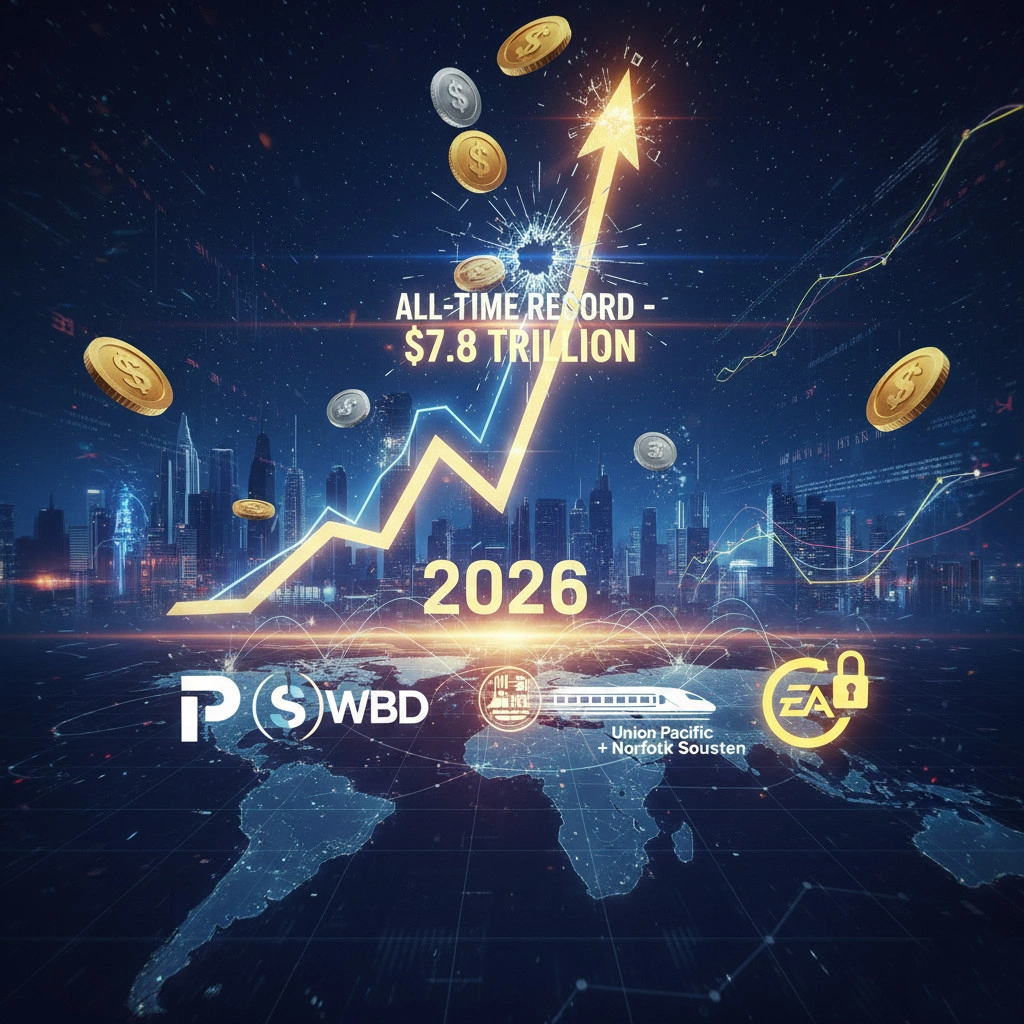
While the number of mergers and acquisitions has slowed in 2025, the size of headline transactions is skyrocketing, and 2026 could be the year mega‑deals break records. Global M&A activity reached about $4 trillion by November 2025 — more than 40% higher than last year’s pace, despite fewer deals overall. Some blockbuster transactions have already made headlines: What’s fueling the boom? Dealmakers point to a mix of: Regulatory hurdles remain — antitrust scrutiny and trade policies could influence outcomes — but analysts are already predicting record-breaking transactions in 2026. Forecasts suggest global M&A volume could climb toward $7.8 trillion by 2027, and Breakingviews hints at mega-consolidations across tech, telecom, and financial services. If Reuters’ take is anything to go by, the next year could deliver a deal that rewrites the M&A record books. But, as always in the world of mega-deals, only time will tell if this becomes a reality.

Deal Strategy

Deal Jumping & Topping Bids in M&A

What This Means: “Deal jumping” occurs when a new bidder makes a competing offer after a deal is announced or signed, presenting a higher or better-structured proposal. This can force boards, sponsors, and strategic buyers to reassess the deal, their fiduciary duties, and protections in place. In mid-market deals, these situations are less common than in large-cap transactions, but they do happen — especially when deal protections are lighter, financing is accessible, and a competitor sees strategic opportunity. Common Challenges:  Real Deal Context: Occidental Petroleum vs. Chevron / Anadarko (2019): Suggested Success Factors: Share Your Perspectives: Deal jumping and topping bids are high-stakes maneuvers requiring strategy, foresight, and solid legal guidance. Have you been on either side of a topping bid? We would be interested to know how you navigated through the challenges?

AI Tools Spotlight

Kira: AI-Powered Contract Reviews

Kira is an AI contract review software from Litera that uses patented machine learning to identify, extract, and analyze content in contracts and documents, helping legal teams work faster and more accurately than ever before. Moreover, Kira’s architecture is specifically designed with legal confidentiality requirements in mind. What The Tool Does? Why It Matters?: Kira empowers legal professionals to focus on what they do best—strategic analysis and client counsel—by eliminating manual document review. Explore the tool here.

Global Pulse

Cybersecurity M&A Heats Up as Giants Strengthen AI Capabilities

November 2025 saw significant consolidation in the cybersecurity sector, with major players making strategic acquisitions to bolster their AI-powered security offerings. Key Deals: What’s Driving Activity The convergence of AI and cybersecurity is creating urgency among strategic acquirers. Companies need AI-native security solutions to defend against increasingly sophisticated threats. Mid-Market Impact For mid-market cybersecurity firms, the message is clear: AI capabilities are now table stakes for attracting strategic interest. Companies with proprietary AI/ML models for threat detection command premium valuations. Read the full roundup at Infosecurity Magazine.

Deal Strategy

The ESG Liability Trap: Why Regulatory and Reputational Risk Assessment Must Start Pre-LOI

What This Means: ESG due diligence encompasses systematic assessment of environmental liabilities, social compliance obligations (labor practices, supply chain ethics), and governance structures (board composition, executive compensation). Unlike traditional due diligence, ESG risks often remain hidden until post-close, when remediation costs can exceed acquisition premiums. The Challenge: Acquirers face escalating regulatory expectations across multiple jurisdictions. Environmental liabilities—particularly remediation obligations and carbon exposure—create material financial exposure. Social risks including labor violations and supply chain exploitation damage brand value. Governance failures generate regulatory investigation risk. ESG issues often cluster in specific geographies or industries, creating concentrated risk profiles traditional due diligence overlooks. Why It Matters: Bad management of due diligence can lead to missed risks, extra costs, regulatory problems, or even losing the deal. Good management speeds up decisions, lowers risks, and builds confidence for closing and integration. Real Deal Context: Nestlé’s $7.15 billion licensing agreement with Starbucks (announced May 2018, closed August 2018) for perpetual global rights to market Starbucks consumer packaged goods and foodservice products illustrates the importance of ESG considerations in complex commercial transactions. Given both companies’ public commitments to sustainable and ethical coffee sourcing, acquirers in similar deals would need to assess: Critical Success Factors for ESG Due Diligence: Share Your Perspectives: Which ESG factor represents the greatest post-close financial risk: environmental liabilities, labor compliance, or governance risk?

AI Tools Spotlight

FormulaBot

FormulaBot is an AI data assistant that works two ways: it generates Excel and Google Sheets formulas from plain English, and it analyzes uploaded data files through conversational chat. What The Tool Does?: Upload your spreadsheet or PDF, then ask questions like “What were our top sales months?” or “Show me a chart of regional performance.” Or simply describe a formula you need—”Show ‘High’ if sales exceed $5,000, otherwise ‘Low’”—and get it instantly. Why It Matters?: If you’re searching “how to calculate conditional sum” or “formula for matching data across sheets,” you’re already looking for help. Instead of browsing through multiple websites for answers, FormulaBot gives you the exact formula you need in seconds. Explore the tool here.

Global Pulse

Leading Trends in Global M&A 2025

The global M&A market is rebounding with deal value up 10% in the first nine months of 2025. Megadeals are returning—27 transactions over $10 billion closed, up from 21 last year. North America leads with 62% of global activity, while technology, industrials, and energy sectors show the strongest momentum. Standout deals include: What’s Driving Success Smart dealmakers are turning uncertainty into opportunity with four key strategies: The Bottom Line With $2 trillion in private equity dry powder, stabilizing rates, and recovering valuations, conditions are improving. The opportunity is clear: make bold, selective moves now to transform your business for lasting advantage. Access the BCG M&A Report here.

Deal Strategy

Due Diligence Management: Johnson & Johnson’s Actelion Deal

What This Means: Managing due diligence means organizing many expert teams and tasks all at once, under tight deadlines. It requires smooth teamwork between financial, legal, tax, operational, and strategy specialists, clear communication, strict confidentiality, and quick problem-solving to protect the deal’s value and timeline. The Challenge: Handling dozens of advisors reviewing thousands of documents at the same time is very complex. You need detailed project oversight and strong coordination so nothing gets missed or delayed. Why It Matters: Bad management of due diligence can lead to missed risks, extra costs, regulatory problems, or even losing the deal. Good management speeds up decisions, lowers risks, and builds confidence for closing and integration. Real Deal Example: Johnson & Johnson’s purchase of Actelion shows how to do this well: they managed 15 teams, 200+ advisors, and 2 million documents in just 90 days. They held daily meetings, tracked issues live, and quickly addressed problems. The deal was even more complicated because Actelion’s research and development part was spun off into a new Swiss company during the process. In mid-market deals, while the scale is smaller, the same principles apply. Instead of hundreds of advisors, mid-market transactions typically involve smaller, focused teams, often up to 10 key advisors managing a handful of diligence workstreams. Strong project management and communication remain essential to keep the deal on track and protect value. Success Factors: The key is strong project management and good technology to keep everyone informed and solve problems fast. Planning early how the companies will integrate also improves results and keeps deal value safe. Share Your Perspectives: Dealmakers – feel free to share your tips and experiences managing big, complex due diligence projects.

Scroll to Top