What This Means: Cross-border M&A involves acquisitions between companies in different countries, requiring navigation of multiple regulatory frameworks, foreign investment laws, tax treaties, and political considerations. Middle market cross-border deals face unique challenges including limited resources for regulatory compliance and cultural integration across borders.
The Challenge: International deals face complexity disproportionate to their size – foreign investment reviews, multiple regulatory jurisdictions, and cultural considerations that can overwhelm smaller deal teams.
Why It Matters: Cross-border deals offer significant growth potential but require sophisticated regulatory navigation and extended timelines to avoid costly failures.
Illustrative Deal Scenario: A C$120 million Canadian manufacturing company’s acquisition of a US$95 million U.S. competitor encountered unexpected complexity:
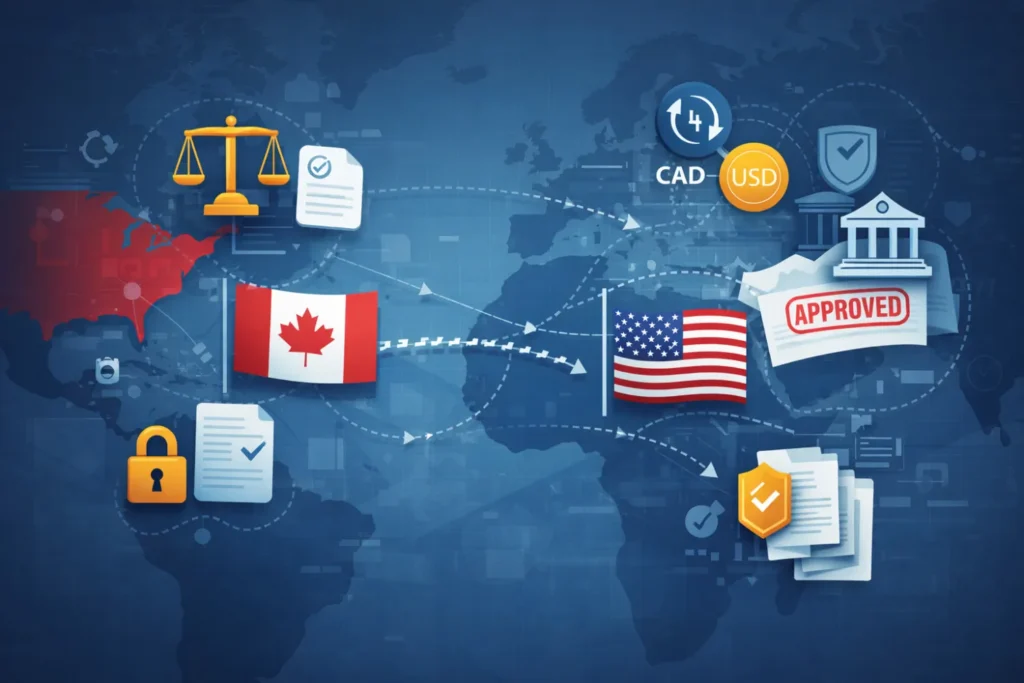
- Complex tax structuring to optimize withholding taxes and avoid double taxation
- CFIUS filing requirements and national security review processes
- Integration of different regulatory frameworks (FDA, EPA, OSHA vs. Canadian equivalents)
- Currency hedging amid evolving CAD/USD exchange rates
- Cross-border data transfer compliance requirements
The transaction extended from a planned 6-month closing to 14 months, with combined advisory costs reaching C$4.2 million. However, the combination achieved 28% cost synergies through consolidated North American operations and shared supply chains.
Key Insight: In middle market cross-border M&A, regulatory complexity often exceeds financial complexity, requiring specialized expertise and extended timelines.
Critical Success Factors:
- Begin regulatory analysis during initial due diligence
- Budget 18+ months for complex cross-border transactions
- Engage local advisors early in each jurisdiction